The Importance of Grout for Granite & How to Determine Its Spacing

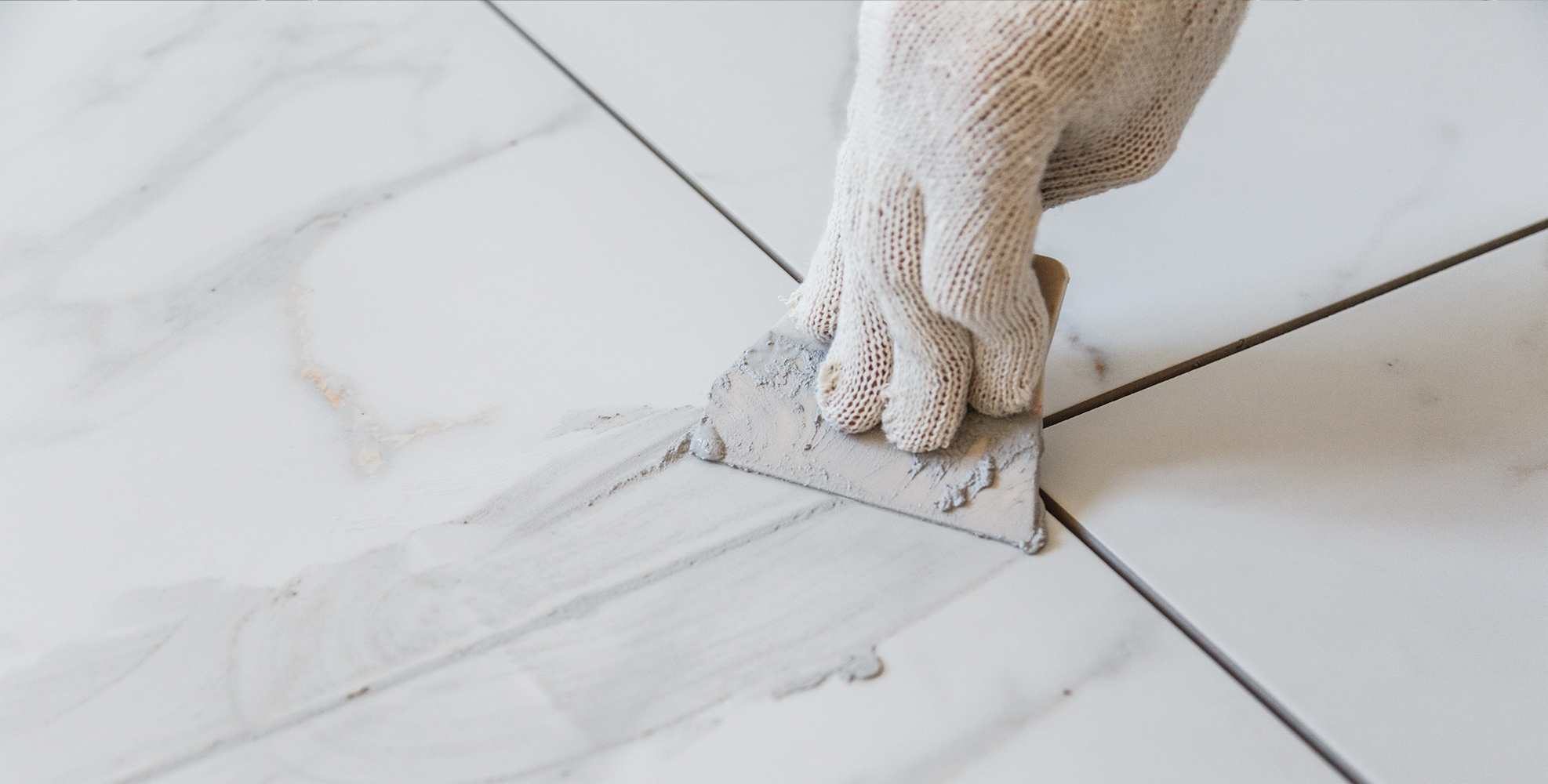
Photo By Alasan Pentingnya Nat pada Granit
Granite, known for its beauty and durability, is a popular choice for both floors and walls. But did you know that a successful granite installation relies on more than just the quality of the material?
One often-overlooked aspect is the use of grout. Grout, the joint lines between granite tiles, plays a crucial role in maintaining the beauty and longevity of your granite flooring.
In this article, we'll discuss in detail why granite needs grout and explain the ideal spacing for grout lines. By understanding this, you can ensure that your granite floor is perfectly installed and looks stunning.
What is Grout?
Grout is the gap that connects tiles on the floor. This gap is typically filled with a specialized material like grout cement or tile grout. Besides serving as a strong adhesive, grout also acts as a vent channel for moisture that may be trapped beneath the floor surface.
With grout in place, moisture from the evaporation of screed or cement coating can escape freely, preventing issues like bubbling or cracking in the flooring. Additionally, grout adds a distinct aesthetic touch to the final appearance of the floor, making the joints between tiles appear neat and appealing.
Why Granite Needs Grout
Does granite need grout? The answer is yes, granite does need grout since it is a commonly used material for flooring. Here are some reasons why grouting is necessary for granite:
- Ease of Repair: If a granite tile becomes damaged or cracks, the presence of grout serves as a clear boundary between the damaged and intact tiles. This makes it easier to replace the damaged tile without disrupting the surrounding tiles.
- Flexibility During Installation: When installing granite, not all tiles may have precisely the same size and shape. Grout provides room for adjustments, allowing installers to align the tiles more neatly.
- Hiding Imperfections: Differences in the thickness of the mortar beneath each granite tile may cause an uneven floor surface. Grout helps to cover these height differences, creating a smoother and more even appearance.
Granite Grout Spacing
The space between granite tiles during installation typically ranges from 2 to 3 millimeters. This spacing is crucial for filling with grout to ensure that the joints between tiles are both neat and sturdy. To achieve precise and uniform results, a tool called a tile spacer is often used. This tool helps maintain consistent gaps between tiles, enhancing the aesthetic appeal of the granite flooring.
After granite installation, it is important to promptly clean the floor of any remaining grout or debris. This ensures that the grout dries perfectly and does not leave stains on the granite surface. If other construction work is still ongoing, it is recommended to cover the newly installed granite floor with plastic to prevent exposure to water or dirt.
It's important to note that newly installed granite floors require time to fully cure before they can be walked on. The drying time varies depending on the type of cement used. If a sand-cement mixture is used, it is recommended to avoid stepping on the floor for at least 4 days. However, if instant cement is used, the drying time may be faster, around 2 days.
By understanding the importance of grout in granite installation, you can make better decisions when planning renovations or building a house. Remember, grout not only serves as an adhesive but also as protection against moisture, prevents mold growth, and makes cleaning easier.
Additionally, by choosing the right color and type of grout, you can create a unique granite floor appearance that matches your taste. So, don't hesitate to consult with professionals for the best recommendations.
Discover granite inspirations to create spaces that feel more modern, warm, and sophisticated with Magia Granite. Visit the nearest store to explore the complete collections.
Calculate Your Granite Tile Requirements Before Installation
In addition to determining the appropriate granite tile grout spacing, installation planning should begin with calculating the amount of material required.
Use the MAGIA Tile Calculator by entering the product code, room length and width, and granite tile size. The calculator will help estimate the floor area, number of tiles required including an additional 10% allowance, and the number of boxes needed.
If you are still choosing a pattern, explore the MAGIA Granite collection and preview your shortlisted options using the MAGIA Visualizer.
Once you have selected the product and determined the required quantity, use the MAGIA Store Locator to find a nearby retailer. This page features a Nearby Locations option that displays stores based on the user's location.
FAQ
What Is Granite Tile Grout?
Granite tile grout is a material used to fill the gaps or joints between granite tiles, creating a neat and consistent finish.
Do Granite Tiles Need Grout Joints?
Generally, granite tile installation requires spacing between tiles. The appropriate spacing should be determined based on product specifications, installation conditions, grout requirements, and the installer's recommendations.
What Is the Ideal Grout Joint Width for Granite Tiles?
Existing MAGIA articles use a general guideline of approximately 2–3 mm. However, the final width may vary depending on product specifications, installation surfaces, and the installation system used.
What Is the Purpose of Granite Tile Grout Joints?
Grout joints help create consistent spacing between tiles, support proper tile alignment, and provide a neater overall finish.
Can Granite Tiles Be Installed Without Grout Joints?
It is best not to assume that granite tiles can be installed without joints simply to achieve a seamless appearance. Consult a professional to determine the appropriate spacing based on product specifications and project conditions.
How Do You Choose the Right Grout Color for Granite Flooring?
Choose a grout color that closely matches the base color of the granite tiles if you prefer a more seamless appearance. If you want the tile joints to stand out, consider a slightly contrasting grout color.
Does Granite Tile Size Affect the Number of Grout Joints?
Yes. For the same floor area, larger-format granite tiles generally create fewer grout lines compared to smaller-format tiles.
How Do You Calculate the Number of Granite Tiles Needed Before Installation?
Measure the length and width of the installation area, then use the MAGIA Tile Calculator to estimate the total floor area, number of tiles, and number of boxes required.
Popular Collections





Related Articles

Granite Care
How to Clean Dull Granite Using Natural Ingredients
09 Jul 2025

Granite Care
A Complete Guide to Keep Your Granite Durable and Clean
12 Dec 2024
Granite Care
Does Granite Flooring Need Polishing? Here's Your Guide
03 Jun 2025