Choosing the Right Granite: Homogeneous Tile vs. Natural Granite


Photo By
The term "granite" refers to two distinct materials: natural granite and granite ceramic, also known as homogeneous tile. Many people mistakenly think these two are the same.
Although both share the word "granite," they differ significantly in material composition, production process, and price. To help you understand these differences, here is a detailed explanation of homogeneous tile and natural granite.
What is Homogeneous Tile?
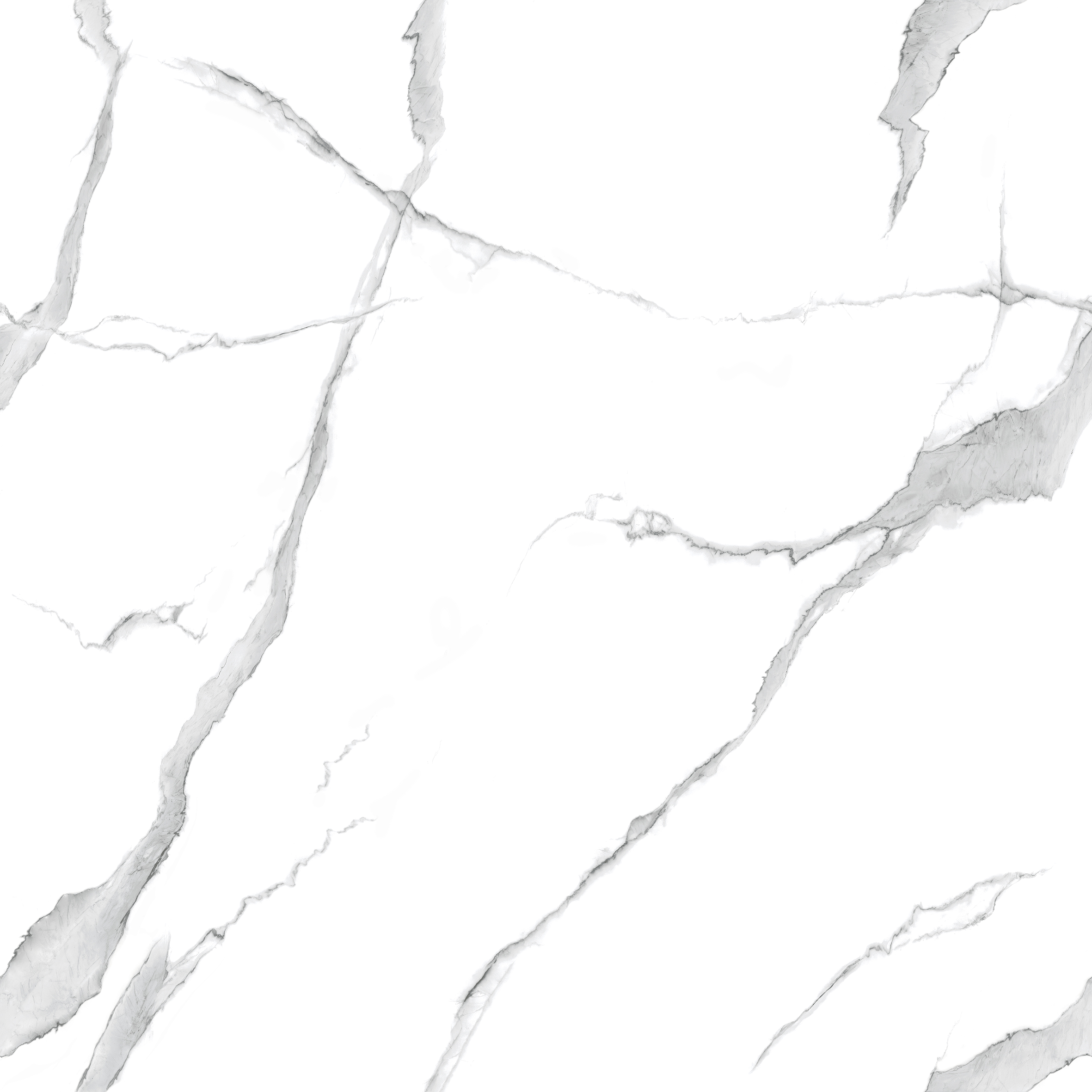
Homogeneous tile is a type of flooring made from engineered granite designed to mimic the appearance of natural granite. It is crafted to enhance the aesthetic of your floors, offering a luxurious and elegant look similar to natural stone.
This tile is widely favored due to its variety of patterns, allowing you to tailor the interior style to your preference. Suitable for various spaces, homogeneous tile is an excellent choice for those seeking durable and low-maintenance flooring that elevates interior aesthetics.
Advantages of Homogeneous Tile
Homogeneous tile offers several benefits, making it a top choice for residential and commercial flooring. With its extremely low water absorption rate, this tile boasts high density, ensuring greater durability and resistance to damage or cracking. Made from robust materials, homogeneous tile withstands impacts and resists chipping, maintaining a neat appearance for an extended period.
Additionally, it is easy to maintain and resistant to scratches, even when exposed to heavy objects. Its surface can be polished to a mirror-like finish, creating a luxurious and elegant reflective effect. The design is also versatile, allowing it to be shaped into rounded forms with sharp corners, adding a unique and polished touch to your interior spaces.
Where is Homogeneous Tile Installed?
Here are some common areas where homogeneous tile is typically used:
- Living Room: Frequently chosen for its durability and ease of cleaning, homogeneous tile ensures longevity even in high-traffic spaces while adding a modern and elegant aesthetic.
- Kitchen: This material is ideal for kitchen floors and wall backsplashes, as it resists stains and is easy to clean from oil or food spills.
- Lobbies and Corridors: Popular in commercial buildings such as hotels and offices due to its ability to withstand heavy foot traffic.
- Retail Stores and Outlets: Perfect for busy retail areas, offering resistance to heavy loads and scratches.
- Public Spaces: Commonly used in high-traffic public areas like train stations, airports, and shopping malls for its exceptional strength and durability.
- Workspaces or Offices: Favored in modern office designs for their clean, minimalist appearance, contributing to a tidy and professional look.
Differences Between Natural Granite and Homogeneous Tile
The distinctions between natural granite and homogeneous tile lie in their manufacturing process, appearance, and maintenance requirements. Here's a detailed explanation:
1. Manufacturing Process
Natural granite forms through complex and prolonged geological processes, while homogeneous tile is a ceramic material engineered to mimic the look of natural stone.
2. Appearance
Natural granite stands out for its unique and varied patterns, ensuring no two pieces are identical. Its colors tend to be more subtle and naturally toned.
3. Maintenance and Installation
Homogeneous tile has an extremely low water absorption rate, making it easy to clean with just water. Its consistent quality from surface to core ensures durability and uniformity.
Although natural granite also has low porosity and water absorption, its installation is more straightforward as it does not require soaking beforehand. Additionally, granite tiles are highly resistant to chemical stains, making them a durable option for various applications.
Find Homogeneous Tiles That Suit Your Home
Understanding the differences between homogeneous tiles and granite helps you make a more informed decision based on material characteristics rather than terminology alone.
If you are considering tiles for your home, start by exploring the MAGIA Granite collection and comparing different patterns using the MAGIA Visualizer.
Once you have selected a product and determined the installation area, use the MAGIA Tile Calculator to estimate the number of tiles required based on your room dimensions.
Next, find a nearby retailer through the MAGIA Store Locator and confirm the availability of your preferred product before visiting.
FAQ
What Is the Difference Between Homogeneous Tiles and Natural Granite?
The main difference lies in their material origins and production processes. Homogeneous tiles are manufactured industrially, while natural granite is formed through geological processes before being quarried and processed.
Is Homogeneous Tile Natural or Manufactured Granite?
Homogeneous tile is not natural granite. It is a manufactured tile material that can feature patterns resembling natural stone.
What Are the Advantages of Homogeneous Tiles?
The main advantages include a wide selection of patterns, more controlled dimensions, various surface finish options, and flexibility for different interior design concepts, depending on product specifications.
How Do Homogeneous Tiles and Granite Differ in Terms of Patterns?
Homogeneous tiles feature patterns designed during manufacturing, allowing their variations to be controlled. Natural granite has mineral patterns formed naturally, giving each piece its own distinctive characteristics.
Are Homogeneous Tiles Suitable for Minimalist Homes?
Yes. Choose neutral colors and relatively simple patterns to create a clean appearance. You can also adjust the tile size and finish according to the room's dimensions and function.
Can Homogeneous Tiles Be Used in Bathrooms?
Yes, provided you select products suitable for the intended application. For floors that may become wet, consider surface characteristics and slip resistance ratings rather than focusing only on patterns.
Which Is Better, Homogeneous Tile or Natural Granite?
Neither material is automatically better for every application. The right choice depends on your design preferences, room function, desired appearance, installation requirements, maintenance needs, and project budget.
How Do You Choose Homogeneous Tile Patterns Before Buying?
Explore the MAGIA Granite collection, then preview several options using the MAGIA Visualizer. Once you have narrowed down your choices, review the product specifications and physical samples before making a final decision.
Popular Collections





Related Articles

Product Info
Granite for a Luxurious Walk-In Closet at Home
09 Jul 2025

Product Info
Getting to Know Granite and Marble: Differences, Advantages, and Drawbacks
30 Dec 2024

Product Info
5 Elegant Interior Styles Using Luxurious Granite
05 May 2025